
Sharing Stories in Group Settings
The power of telling your story aloud with others. Explore how vulnerable sharing in safe groups creates mutual understanding and strengthens personal insight.

There's something that happens when you say your story out loud to people who actually listen. It's different from writing it down or thinking about it alone. The words take on a different weight. You hear yourself differently. And when others respond with their own stories — not advice, not solutions, just their genuine experiences — something shifts inside.
Group storytelling isn't therapy, though it can feel therapeutic. It's not performance, though it takes courage. It's a conversation where your life matters enough to be heard, and you matter enough to hear others. We're going to explore why this works, what makes it safe, and how to share authentically when you're sitting in a circle with people you might not know well yet.
Why Stories Matter More in Groups
When you're alone, your story lives in your head. It's safe there, maybe too safe. You can skip the hard parts. You can edit yourself without realizing it. But when you sit across from someone and tell your story — really tell it, not just summarize it — something different happens.
In groups, you notice details you'd forgotten. You hear the emotion in your own voice. You see how people react when you mention something vulnerable, and you realize you're not alone in that experience. One person nods because they've felt it too. Another leans forward because they're genuinely curious. That response — that witness to your story — changes how you see it.
The key shift: Your story stops being something that happened to you in isolation. It becomes a bridge to other people's experiences. Suddenly you're not the only one who's felt lost, struggled with identity, or wondered if you were on the right path.

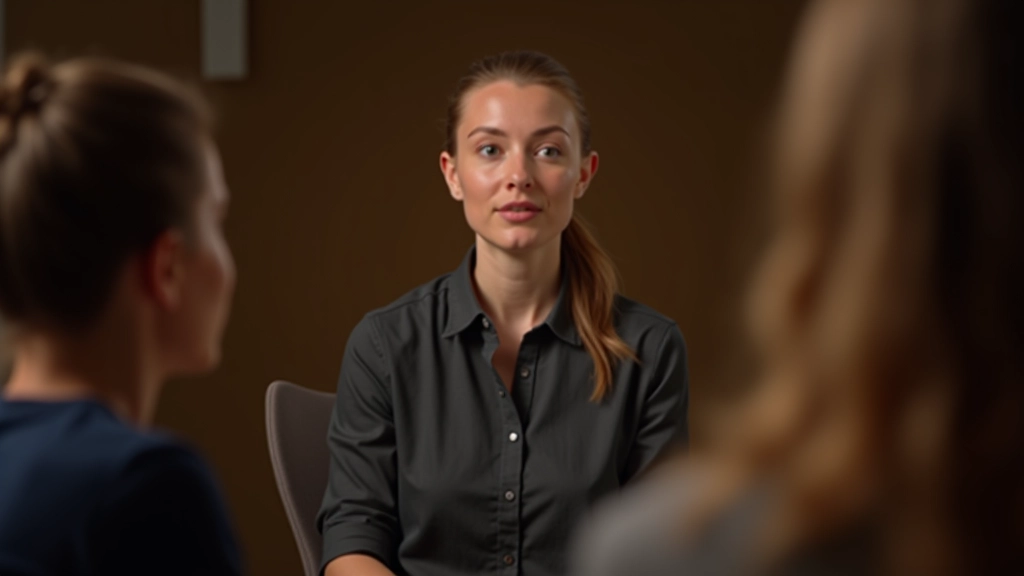
Creating Safety Before Stories Can Emerge
You won't share anything real if you don't feel safe. And safety isn't just the absence of judgment — it's something you actively build. It starts before anyone tells a single story.
The best groups establish ground rules together. Confidentiality, obviously — what's said here stays here. But also: no fixing people, no comparing suffering, no interrupting. You listen to understand, not to respond. These aren't rules imposed from above. They're agreements the group makes together, which means everyone's invested in maintaining them.
Safety also comes from the facilitator. Someone who's trained to hold space without controlling it. Who notices when someone's struggling to speak and gives them time. Who gently redirects if the conversation becomes about judgment instead of understanding. The facilitator doesn't have all the answers. They're there to make sure the group stays focused on listening to each other.
Important Note
This article provides educational information about storytelling practices in group settings. Sharing personal stories can be emotionally meaningful, but it's not a substitute for professional therapy or counselling. If you're dealing with trauma, mental health concerns, or significant emotional challenges, working with a qualified therapist or counsellor is recommended. Group storytelling works best as a complement to, not a replacement for, professional support when needed.
How to Share Authentically Without Over-Sharing
There's a sweet spot in group storytelling. You want to be genuine, not perform. You want to be vulnerable, not overwhelm the group. Finding that balance takes awareness.
Start with a specific moment or period in your life, not your entire life story. A conversation with a parent. A decision you made that changed things. A time you realized something about yourself. Something concrete gives people something to hold onto. When you're specific, others can find themselves in your story more easily.
You don't have to share the most painful thing you've ever experienced. Sometimes the power is in the small moments — the everyday struggles, the quiet victories, the times you questioned yourself. Those moments are often more relatable than dramatic turning points. And they're easier to talk about, which means you'll be more present with the group instead of just surviving the telling.
"Vulnerability is not about oversharing your pain. It's about letting people see who you actually are, which includes your struggles but isn't limited to them."


What Happens After You Share
Telling your story in a group is just the beginning. What comes next matters just as much.
When others respond, they're not there to fix you or offer solutions. They're there to witness. Sometimes that means they share something similar from their own life. Sometimes it's just a question that shows they were really listening. Sometimes it's silence — a respectful pause that honors what you've shared.
You'll notice something shifts in how you see yourself after being heard. You might realize a pattern you hadn't recognized before. You might feel less alone in something you thought was uniquely your struggle. You might hear yourself say something out loud and think, "Oh, that's actually a strength," when you'd only seen it as a failure before.
That shift — from isolation to connection, from shame to understanding, from hiding to being seen — that's what group storytelling offers. It's not magic. It's the natural result of being genuinely witnessed by other people who are brave enough to show up and listen.
Your Story Deserves to Be Heard
Sharing your story in a group isn't about becoming an expert storyteller. It's about trusting that your life, your experiences, your perspective — they matter. They matter to you, and they'll matter to the people listening.
When you sit in that circle and speak your truth, you're not just telling a story. You're claiming your narrative. You're saying, "This happened to me, and it shaped who I am." You're inviting others to see you. And in being seen, you see yourself more clearly too.
That's the real power of group storytelling — not in the perfect words or the dramatic arc, but in the simple act of showing up, speaking honestly, and letting others do the same.

Síle Ó Donnelly
Senior Narrative Identity Facilitator
Narrative identity coach with 14 years' experience facilitating storytelling workshops across Ireland, helping people uncover life themes and rewrite limiting narratives.
Related Articles

Understanding Your Life Story Themes
Discover the recurring patterns in your personal narrative. Learn how identifying your life themes reveals your strengths and guides your choices.

Rewriting Limiting Narratives
You're not stuck with the stories you've been telling yourself. Practical techniques for transforming narratives that hold you back into empowering alternatives.

How Narratives Shape Confidence and Choices
The stories we tell about ourselves directly influence our confidence and decisions. Understand this connection and take control of your narrative.